Italian-Inspired Living Room Styling: Warm Neutrals, Travertine, and Soft Light
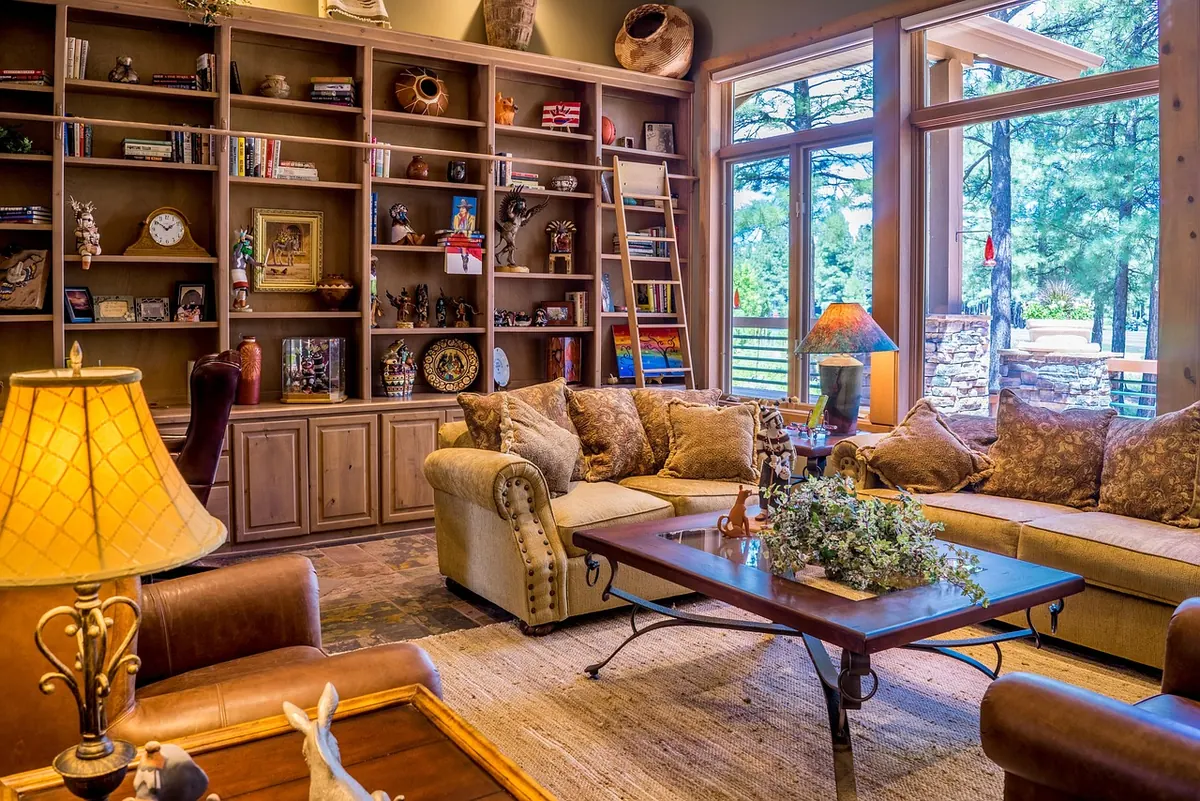
Late afternoon light does something to a room with the right materials in it. It slides across a travertine tabletop, catches the weave of a linen sofa, and turns a plain plaster wall into the most interesting surface in the house. That is usually what we are chasing when we say we want an Italian-inspired living room. Not a film set, but the calm, slightly imperfect warmth of rooms that have been lived in for a long time.
The encouraging part is that it doesn't take a renovation or a house in the countryside. It takes a restrained palette, two or three honest materials, and the discipline to leave some space empty.
Start With the Light, Not the Furniture
Before choosing a single piece, watch your living room for a day. Note where the sun lands at nine in the morning, where it pools at four, and which corner goes grey by noon. Italian interiors are shaped around that movement — shutters half-closed in summer, curtains pulled back in winter, lamps switched on well before it is fully dark.
Two changes do most of the work. First, soften the windows. Heavy drapes fight the effect; unlined linen panels, a simple roller blind in a warm off-white, or half-open wooden shutters let light filter rather than block it. Second, layer the artificial light. A ceiling fixture alone keeps a room flat. Add a floor lamp in a corner, a table lamp at the end of the sofa, and one small light on a bookshelf, all on separate switches so you can create pools of light rather than one even wash.
Keep bulbs warm but not orange, around 2700K, and put the brightest lamps on dimmers. Nothing breaks the mood faster than a bare cool-white bulb in a beautiful stone lamp base.
Build a Warm Neutral Palette With Actual Depth
Warm neutral does not mean one shade of beige everywhere. It means a family of related colours with a shared undertone, played against each other at slightly different values. Bone next to oatmeal next to mushroom next to a soft clay. From a distance the room reads as calm; up close it has variation.
Read the undertone before you paint
Every off-white has a bias — yellow, pink, grey or green. Under cool northern light, a yellow-based cream can turn sour; under warm western light, a pinkish white glows. Paint large samples on the actual wall and look at them at three different times of day. And remember that pale colours look lighter on a wall than on a small card.
If you want a single confident move, consider a limewash or mineral paint finish rather than flat emulsion. The subtle mottling mimics old plaster and gives a large wall something to do without adding colour. This is the tradition behind Venetian marmorino and the chalky walls you see throughout the south, and it flatters travertine and linen more than any sheen.
Use Travertine With Intent
Travertine is having a long moment, but it is not new to Italian interiors — it has been quarried around Tivoli, near Rome, and at Rapolano Terme in Tuscany for centuries, and it appears in everything from rural farmhouses to post-war apartment buildings.
What matters is which travertine you choose and where you put it. Filled travertine has its pores sealed with cement or resin and gives a smoother, more contemporary surface. Unfilled travertine keeps its open texture, its pitting and shadow, and looks older and softer. Vein-cut pieces show long, linear movement; cross-cut pieces show a cloudy, speckled pattern.
For most living rooms, a honed or brushed finish works better than high polish. It reflects light gently rather than bouncing it, which suits the soft-light brief. Practical places to use it:
- A coffee table with a thick stone top on a plain base — the single most effective piece in the room.
- A low plinth beside a sofa or armchair, in place of a side table.
- A fireplace surround or hearth, where the stone can stay fixed and quiet.
- Small trays and bowls, if you want the material without the weight.
Be realistic about weight and about porosity. A solid stone coffee table is heavy and awkward to move, so measure doorways before ordering, and consider a stone top on a timber or metal frame. Travertine is porous, so seal it, wipe up wine and oil promptly, and use coasters. A good stone supplier will tell you which sealer suits your finish; follow their instructions rather than a general internet recipe.
Let Texture Carry the Room
When the palette is quiet, texture becomes the decoration. It is the difference between a room that looks empty and one that looks composed. Build in layers that feel good to touch as well as look good in daylight:
- Linen for curtains, cushion covers and loose sofa covers — it creases, and that is the point.
- Wool and bouclé for a rug or a single upholstered chair, to add weight underfoot.
- Cane or rattan on a chair back or cabinet door, for a lighter, more rustic note.
- Terracotta — an Impruneta pot, a jug, a lamp base — for the warmest red-orange in the room.
- Raw or oiled oak, and older dark wood, for pieces that ground the space.
- Matte metals such as aged brass or dark iron, used sparingly on lamp bases, handles and a mirror frame.
Avoid glossy lacquer, high-shine chrome and printed patterns in several colours at once. Matte finishes age better and read as more expensive.
Add Gentle Contrast, Not Drama
Italian rooms rarely shout, but they are not flat either. The contrast comes from value — one dark note against many light ones — rather than from strong colour. A walnut console, a blackened metal floor lamp, a pair of dark brown ceramic vases: one or two of these are enough.
The trick is to place the dark note low or to one side, so it anchors the room without dominating it. A dark rug in the centre of a pale room can feel like a hole; the same darkness on a sideboard against a wall feels grounded. Also vary scale. A generous sofa next to a small, narrow side table is more pleasing than three pieces of similar bulk lined up along a wall.
Arrange It Like a Salotto, Not a Showroom
The word salotto implies conversation. Furniture should face inward, in a loose group, with enough space to walk around it. Float the rug away from the walls and let at least the front legs of the sofa and chairs sit on it; that single decision makes a room feel intentional.
Leave real gaps — around 40 to 50 centimetres between a sofa and a side table, more for main walkways — and resist filling every corner. Empty floor is part of the styling. If you have a long room, two smaller groupings usually work better than one large arrangement stretched along the walls. And keep a low table within reach of every seat, even if it is just a small stone or timber stool.
Finish With Small, Personal Cues
This is where Italian-inspired rooms either come alive or turn into a theme. A few ceramics in uneven glaze, a stack of books, a branch of olive or eucalyptus in a tall vase, a mirror that bounces light into a dark corner, one object with a story behind it. That is plenty.
Skip the obvious: lemon-print tableware on display, resin "stone" that imitates travertine, and souvenir-shop ceramics. Real materials at a smaller scale always look better than faux versions at a large one. A €20 terracotta jug on a good table beats a lookalike stone lamp any day.
A Practical Order of Work
- Live with the room for a day and note the light. Decide where you need softness at the window and where you need a lamp.
- Test three warm neutral paint samples on the wall, morning, afternoon and evening.
- Choose your one stone piece — usually the coffee table — and get its finish and sealing right.
- Layer texture through curtains, rug and cushions before adding anything decorative.
- Place one dark anchor, then stop.
- Re-arrange the seating into a circle or L-shape, pull it off the walls, and check the walking gaps.
- Finish with five things you actually like, and leave the rest of the surfaces empty.
Take your time with the last step. The warmth in these rooms comes from accumulation, not from a single shopping trip — and a room that is ninety per cent finished usually looks better than one that is crowded to a hundred.
Photo: bedrck / Pixabay